Restorative Care

Dental Crowns in Austin, TX

Strengthen, protect, and restore your smile with custom-fitted crowns designed for lasting comfort and a natural appearance.
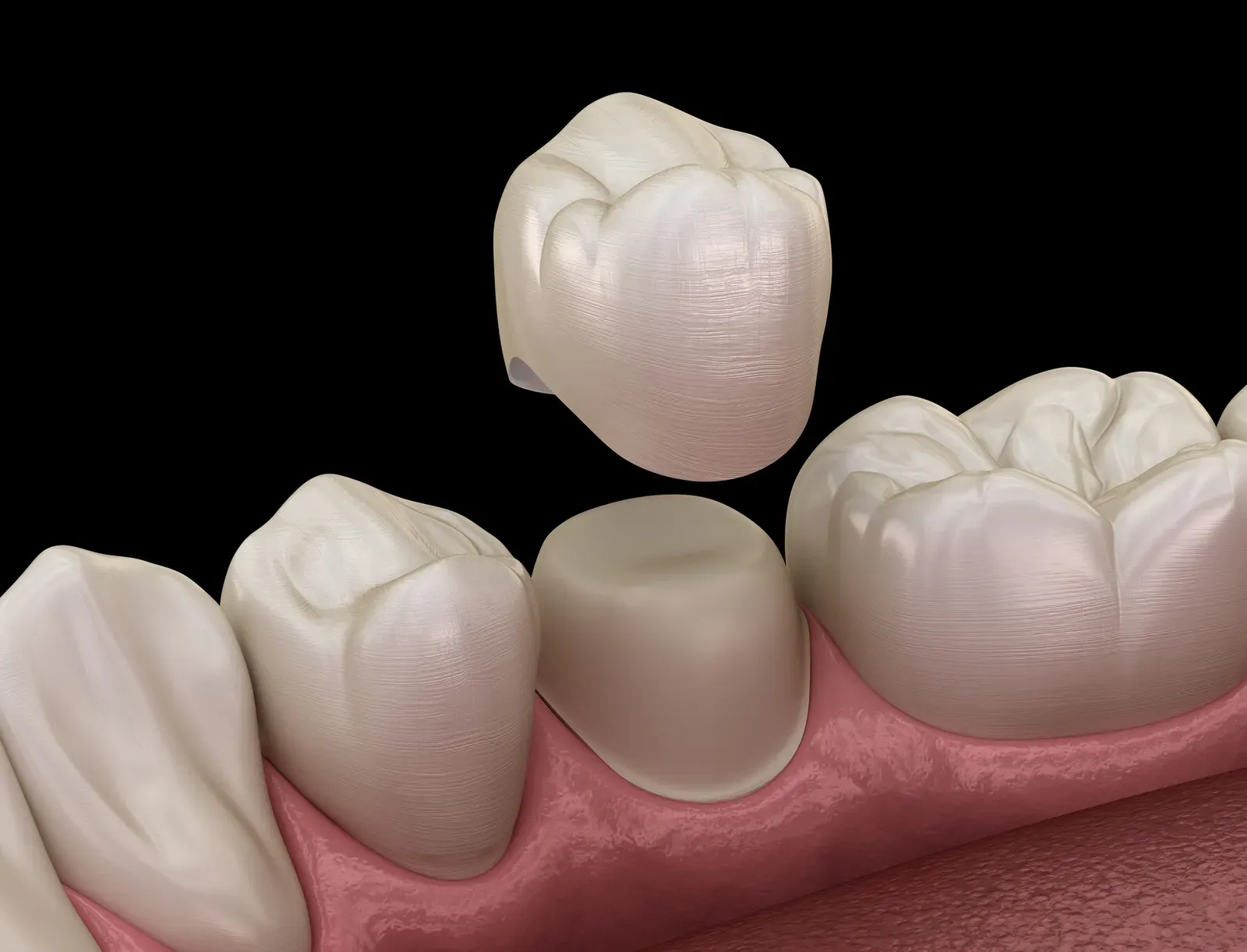
Dental Crowns in Austin, TX

What Are Dental Crowns?

Dental crowns cover the entire visible portion of a tooth above the gumline to restore its shape, strength, size, and appearance when a tooth is cracked, worn, decayed, weakened by a large filling, or treated after a root canal. Addressing tooth damage early helps prevent fractures from spreading deeper, easing sensitivity or chewing discomfort, and protecting the tooth from more complex problems later on.

At River Place Dental in Austin, we examine the tooth carefully, review digital X-rays and bite alignment, and talk through what is happening before recommending a crown. We also match shade, shape, and material carefully so your restoration blends naturally with surrounding teeth and supports comfortable chewing over the long run.

Why Trust River Place Dental?

Our team takes time to listen to your symptoms, assess how much healthy tooth structure remains, and explain why a crown makes sense compared with other options. We tailor material choices—such as durable options for heavy back-tooth chewing forces or tooth-matching ceramics for visible areas—around your tooth's location, bite, and daily habits like grinding.

From thorough numbing and gentle tooth preparation to fitting a temporary crown, verifying the final fit, color, and bite, and guiding you on home care and checkups, we focus on comfort and clarity at every step. Our goal is a dependable crown that feels natural and holds up well for years to come.

Benefits of Dental Crowns

  • Restored Chewing Strength: Rebuilding a weakened or fractured tooth lets you chew more comfortably and evenly without favoring one side or avoiding everyday foods.
  • Protection Against Further Damage: Covering and sealing a compromised tooth—including after a large filling or root canal—helps stop cracks and decay from advancing.
  • Reduced Tooth Sensitivity: Shielding worn enamel or exposed tooth structure often eases sharp reactions to hot, cold, or sweet foods.
  • Natural-Looking Appearance: Custom shading and shaping help the crown blend seamlessly with neighboring teeth while improving contour or discoloration.
  • Balanced Bite Alignment: Restoring proper tooth height and shape supports an even bite and helps prevent uneven wear on surrounding teeth.
  • Long-Lasting Durability: With daily brushing and flossing, avoiding hard objects or grinding stress, and keeping routine checkups, a crown provides reliable long-term support.

Dental Crown Questions, Answered

How long does it take to get a dental crown?
Most crowns take two visits. The first appointment prepares the tooth and takes impressions, while a temporary crown protects it in the meantime. The second visit, usually one to two weeks later, involves fitting and permanently bonding your custom-made crown.
Is getting a dental crown painful?
We numb the tooth and surrounding gum tissue thoroughly before any preparation begins, so the procedure itself is typically comfortable. You may notice mild sensitivity for a day or two afterward, which usually responds well to over-the-counter pain relief.
How long do dental crowns typically last?
With good home care and regular dental visits, most crowns last between 10 and 15 years, and many last even longer. Lifespan depends on the material chosen, your bite habits, and how well you maintain oral hygiene around the restoration.
What's the difference between a crown and a filling?
A filling repairs a small, contained area of decay or damage, while a crown covers the entire visible tooth above the gumline. When too much tooth structure is lost, a filling can't provide enough support, which is when a crown becomes the stronger, longer-lasting option.
Will my crown match the color of my other teeth?
Yes. We carefully select shade and translucency to match your surrounding teeth, especially for crowns placed in the visible smile zone. All-ceramic and porcelain options are chosen specifically for their ability to mimic natural tooth appearance.
Can a crowned tooth still get a cavity?
Yes, decay can still develop along the margin where the crown meets your natural tooth if plaque builds up there. This is why consistent brushing, flossing, and regular checkups remain essential even after a crown is placed.
What should I do if my crown feels loose?
Call our office as soon as you notice movement or looseness. A loose crown can allow bacteria to reach the tooth underneath, so we'll want to see you promptly to re-cement or replace it before further damage occurs.
Does insurance cover the cost of a dental crown?
Many dental insurance plans cover a portion of crown treatment when it's deemed medically necessary, such as for a fractured or decayed tooth. Our team will review your benefits and explain your coverage clearly before any treatment begins.

BOOK YOUR VISIT

Start your family dentistry journey in Austin

Join the Austin families who trust River Place Dental. New patients and emergencies are always welcome.